The Regeneration Corps
Our mission is to support youth with the knowledge to mitigate and respond to climate change and its impacts, while building community resilience and strengthening local food systems. Guided by the Just Transition framework, we connect students to local climate solutions through experiential, hands-on learning
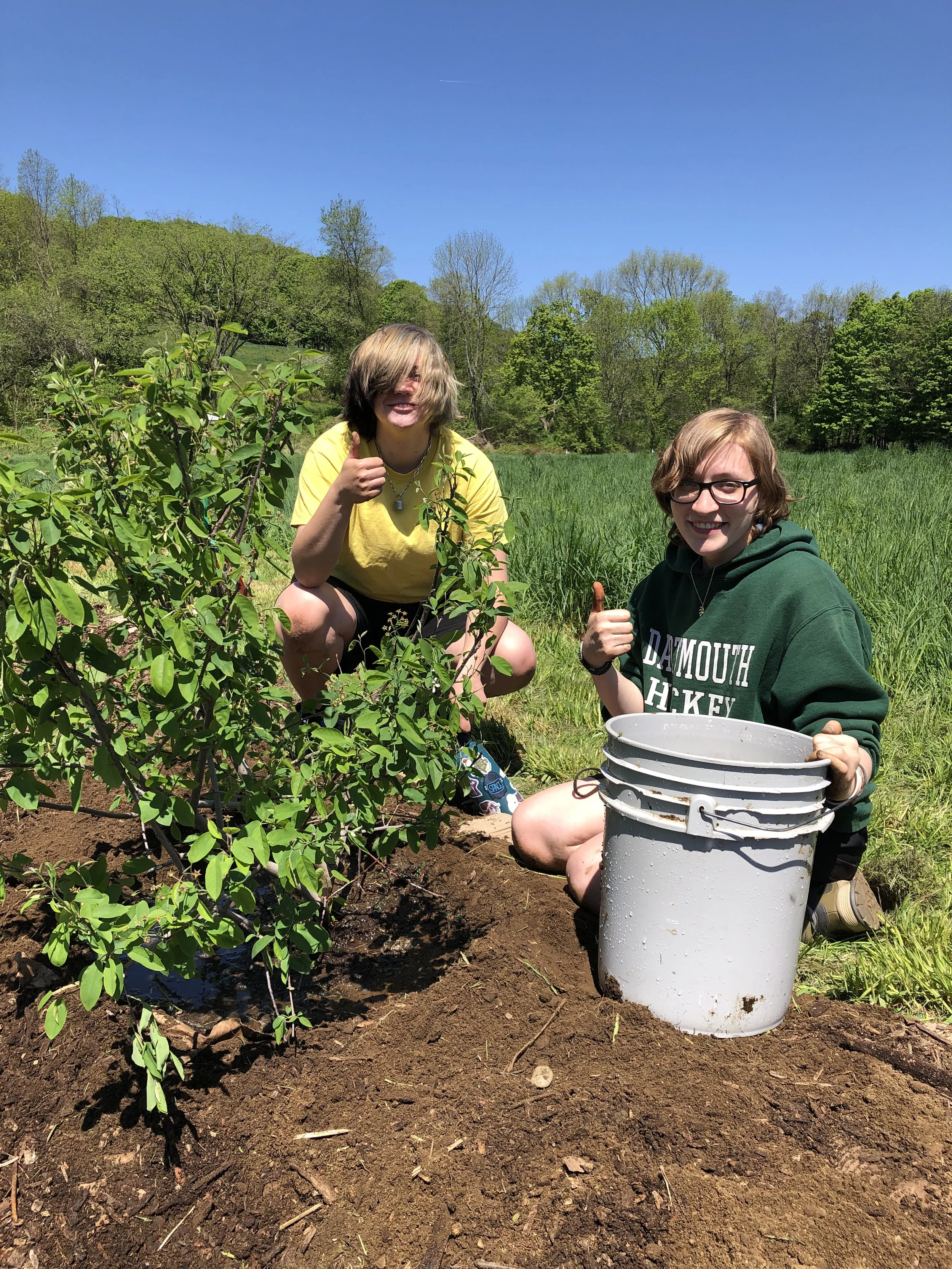
Earn Credits while working on Local Climate Solutions
Through the Flexible Pathways program, VT Act 177, students can earn credits while learning about food systems, regenerative agriculture, flood mitigation, soil health, agroforestry, permaculture and more. We work with you, as a student, teacher, or administrator to develop a program that fits within your curriculum.
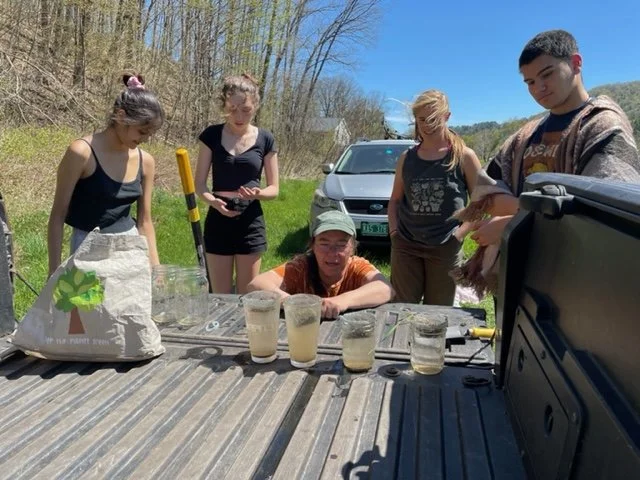
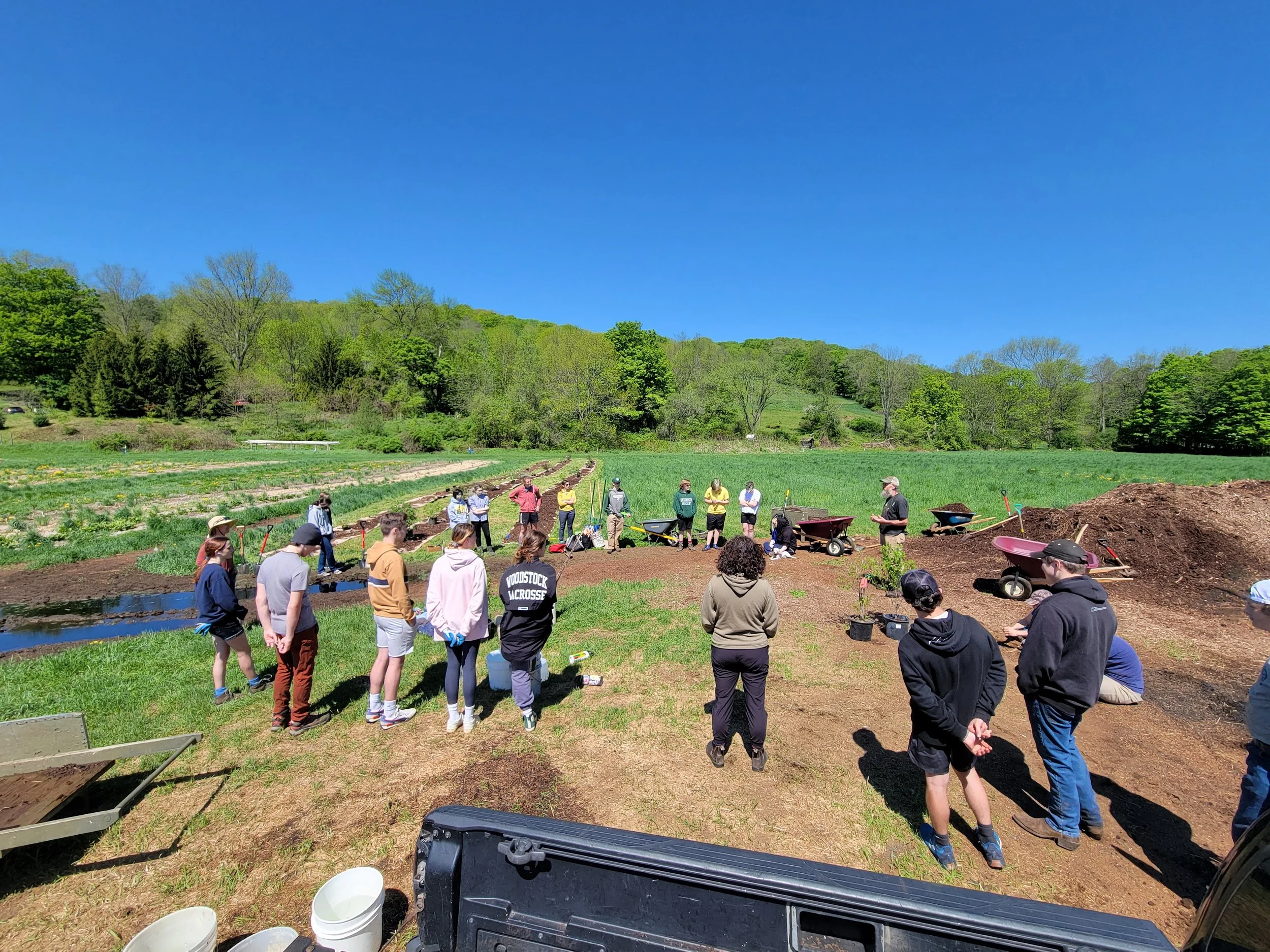
Programs: We offer presentations, hands on learning activities, and field trips on the following topics:
Soil health/composting
Regenerative agriculture
Food systems
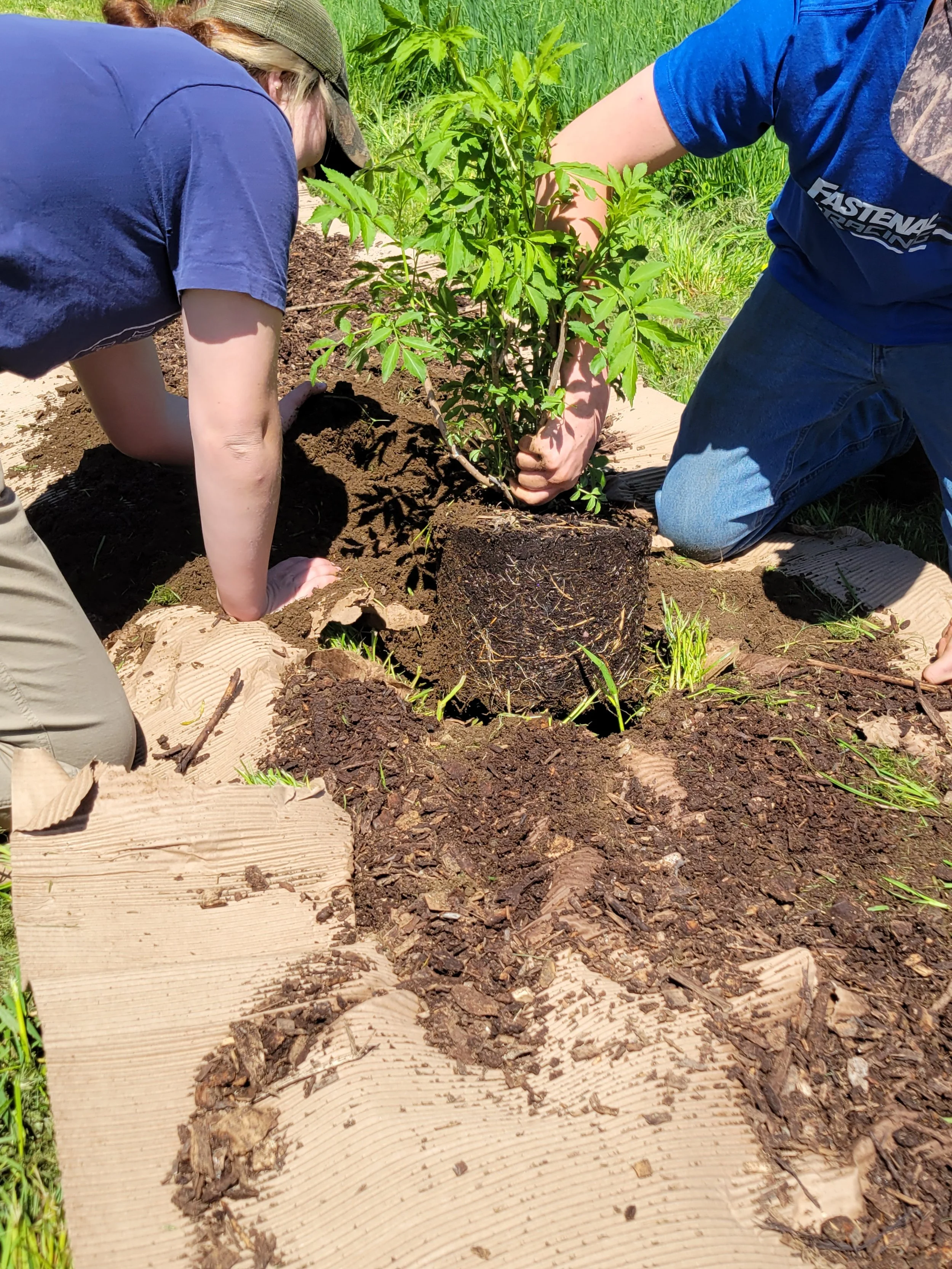
Agroforestry
Permaculture
Designing edible school yards
Riparian and watershed health
Process: Learn, Do, Reflect …Repeat!
Steps:
We meet to discuss your interests, needs, and goals.
We develop a proposal for a timeline, goals, and calendar for the program.
Set dates and topics for classroom presentation.
Set dates and plan for field trip.
Flexible Pathways students: Assess learning goals, evidence of comprehension, final presentations and assessments.
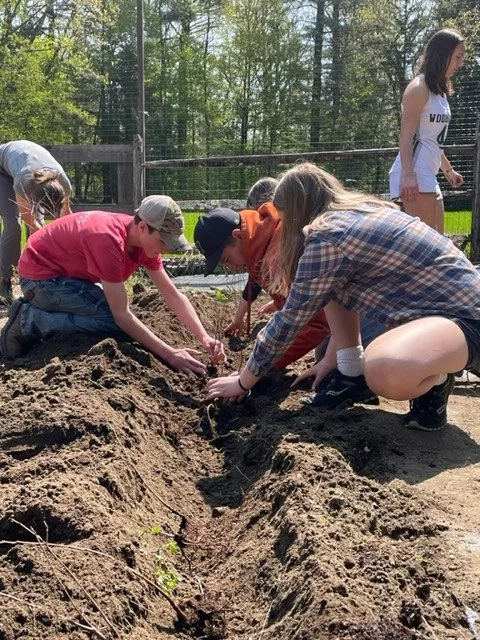
Our Focus
Local Climate solutions. Just Transition. Hands on, Place - Based Skill Building. Healthy Regenerative Food Systems. Edible School Yards. Community Based Learning.
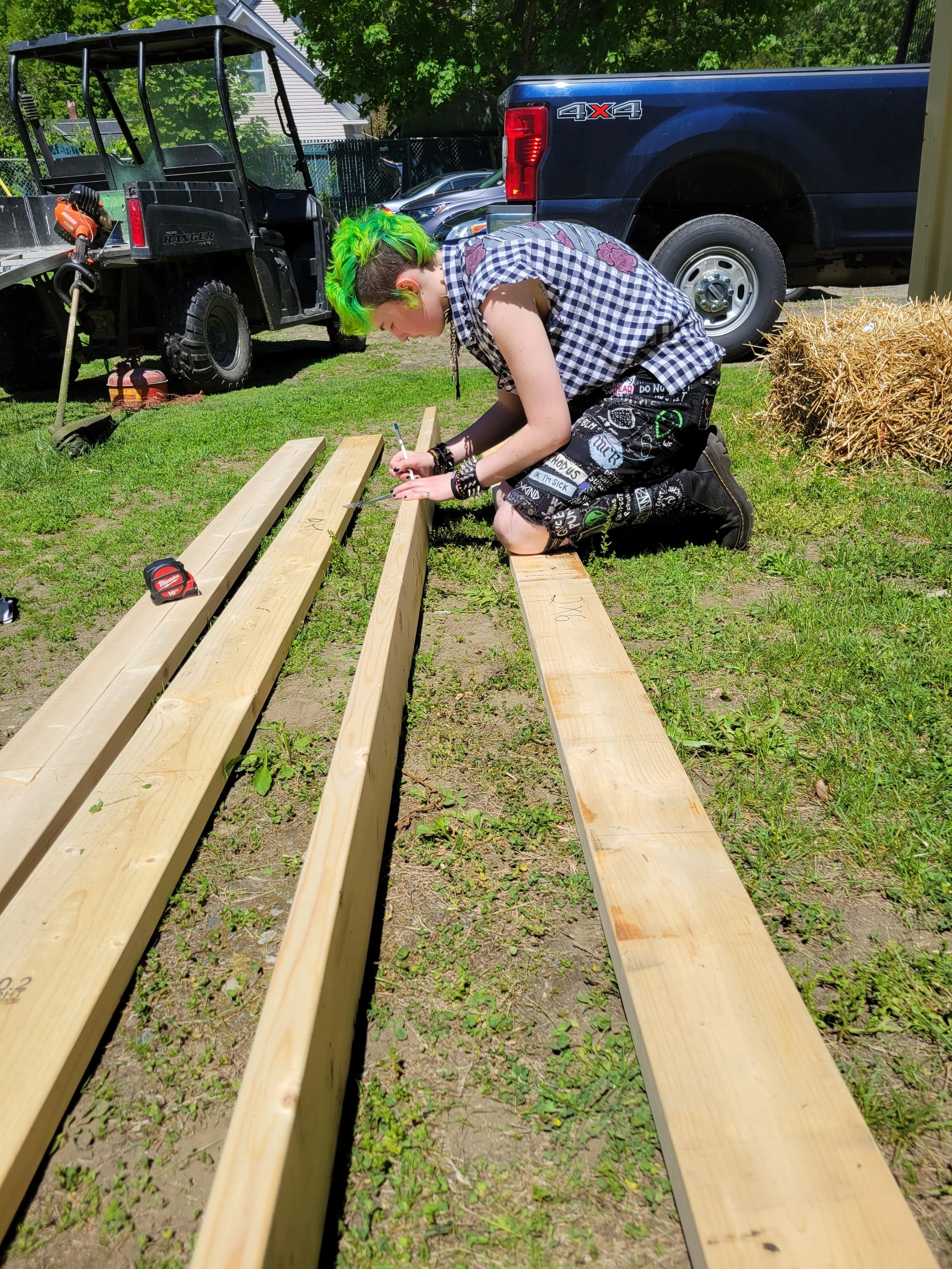
We believe everyone deserves access to local climate solutions through real hands on learning. By working with the community, local farmers, conservation commissions, and other organizations, we create experiential opportunities, grounded in place that introduce fundamental concepts of resilience, regeneration, relationships, and reciprocity.
We teach systems change by centering the lens of a Just Transition that offers a framework for moving from extractive and exploitative practices to ones that are regenerative and reciprocal. With presentations, examples and lessons, our approach involves, learning, doing, and reflecting.
Often our collaborations result in long term projects including school fruit orchards, pollinator hedgerows, food forests, berry bushes, perennials, native tree nurseries and riparian habitat planting.