
When Regeneration Corps started in 2019, we compiled a network of nonprofit leaders, farmers, educators, and activists to explore how we can create opportunities for youth to gain credit by learning hands-on and place based skills for the future. We formed a collective that began surveying the educational landscape for climate solutions focused programs, and found very few. We identified a gap in learning opportunities that connect students directly to local climate solutions in their community.
Inspired by the work of Kathleen Kesson’s Community Schools Blueprint and the Just Transition Framework, we fundraised enough of a budget to hire a coordinator and began developing programs in collaboration with teachers and schools eager to incorporate more hands on, nature based learning into their classrooms.
We have now worked with over a dozen schools, 4 farm hubs and a number of state and regional nonprofits that have become a coalition of partners all increasing opportunities for youth engagement with the land that surrounds and sustains them and the people that grow on it.
Providing hands-on projects in local food systems, regenerative agriculture, agroforestry, permaculture, orchards, and more, students get out of the classroom and into the community to learn from the land, farmers, and local leaders. The results of these collaborations have contributed to the local regenerative food system by increasing the number of agroforestry systems on farms , schools and community sites.
We're finding that both farmers and teachers value the support around connecting curriculum to hands on learning. The Regeneration Corps serves as a liaison by filling the gaps and coordinating the details, while meeting both the curriculum goals and relevant and supportive on farm projects. This Multi solving strategy is what guides our partnerships as we collectively move towards community based learning models that equip students with the skills, knowledge, and enthusiasm to face the future with confidence.
,
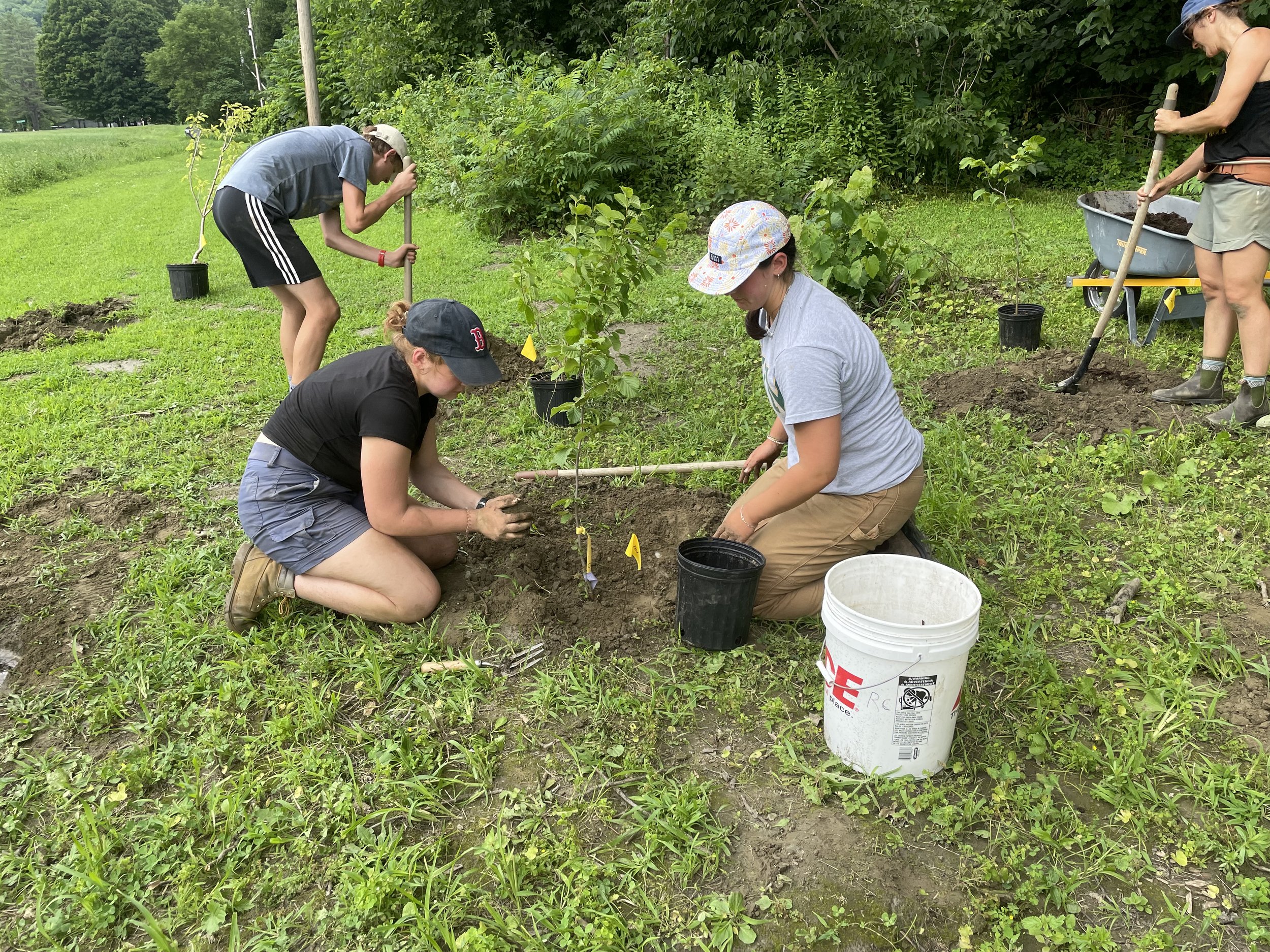
Our Story
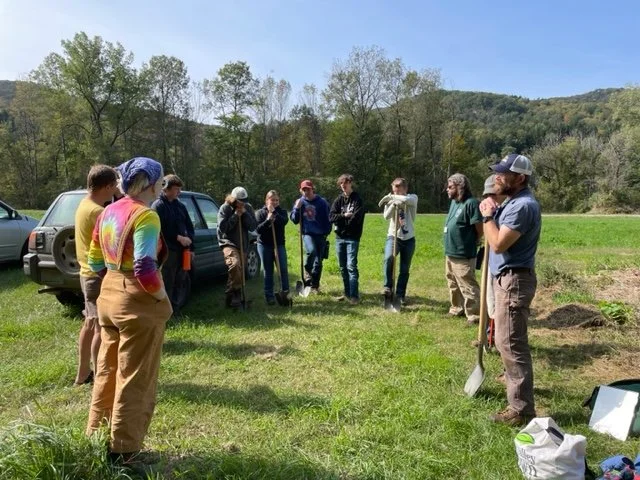
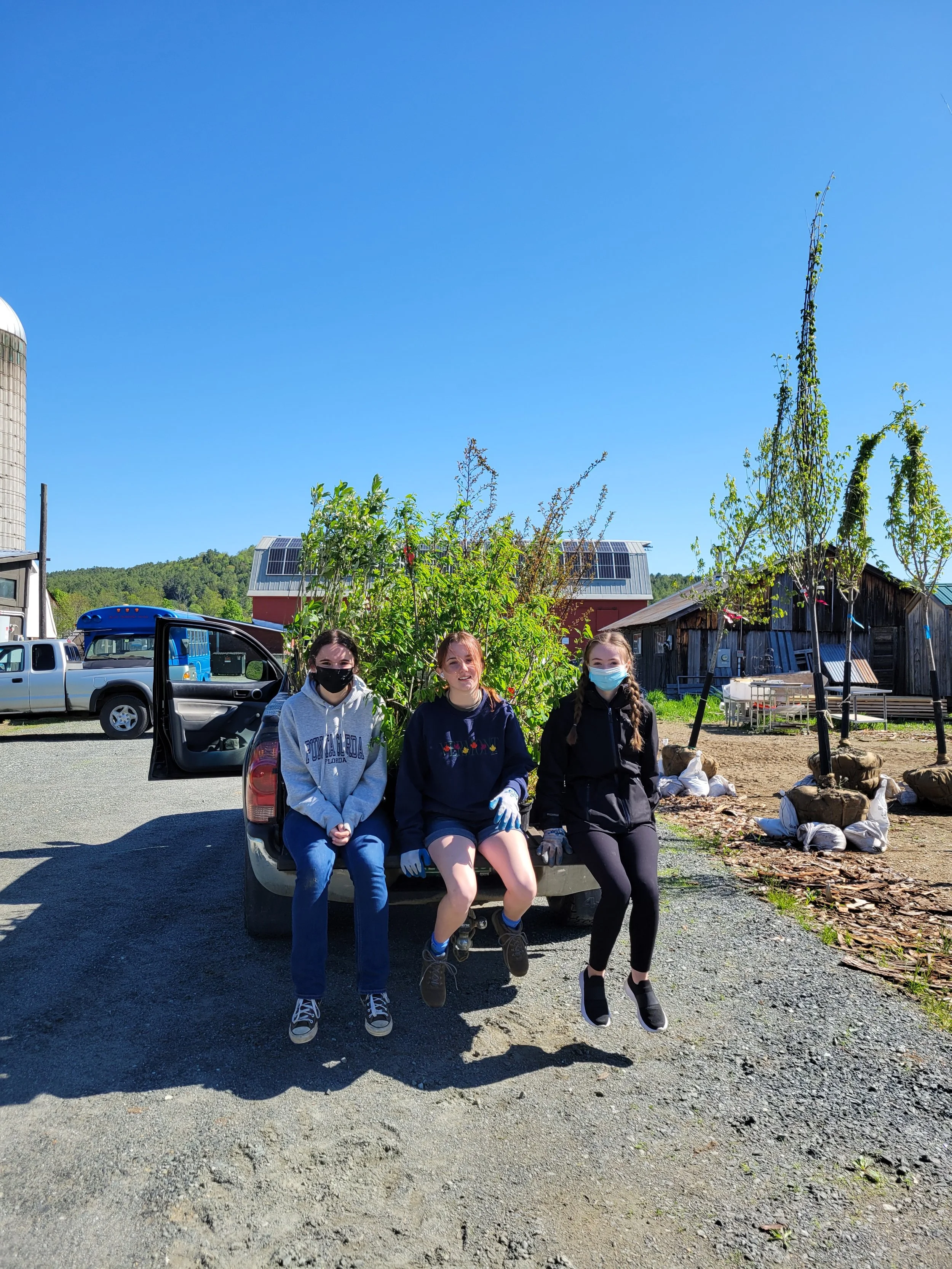
“I had a lot of fun working in the nursery that we planted at our school and learned about how trees can add to biodiversity.”
6th-grade Flexible Pathways student at Bethel Middle School